How we rate
One formula, published in full. Every score on the site is its output, and you can redo the math from the tables below.
Updated November 21, 2026
In two sentencesEach product gets sub-scores computed from maker-published specs and a dated US price, combined with fixed weights into one site score between 7.5 and 9.6. Nobody types a score by hand, and no brand can buy one.
 By Reid Castellano, editor · Updated November 21, 2026 · How we rate
Where do the numbers come from?
- Specs: the maker's own US product page, read on the date shown on each table. Footprint, weight, driver height and weight limits, stated wheel base torque, what is in the box.
- Prices: the official US store of the brand, or Amazon.com when the brand does not sell direct, in US dollars, before shipping and tax, with the date.
- Stock: checked the same day. A product that is sold out keeps its rank and gets a "Sold out" label and an in-stock alternative.
- Other people's reviews: quoted and linked when they add something a spec sheet cannot. They never feed the score.
We do not run a lab and we do not claim one. What we add is the legwork: reading every spec sheet the same way, in the same units, on the same day, and saying so when a maker leaves a line blank.
How is a cockpit or wheel stand scored?
| Criterion | Weight | How it is computed |
|---|---|---|
| Supported torque | 30% | The wheel base torque the maker states in Nm, on a log scale: 5 Nm scores 5.0, 40 Nm scores 9.5. With no published figure, the frame type sets it: aluminum profile 8.0, steel tube 7.0, folding rigs and stands 5.5. |
| Adjustability | 15% | One step of 0.85 above a base of 4.0 for each of seven things the maker lists: wheel height, wheel angle, pedal angle, pedal distance, a seat slider in the box, a second seating position (formula), a shifter mount in the box. |
| Upgrade path | 15% | How far the frame can grow: aluminum profile 9.5, steel tube 7.0, wheel stand 5.5, folding rig 4.5. |
| Price, seat included | 20% | The dated US price, plus $250 when the rig ships without a seat, on a log scale: $200 scores 10, and each doubling costs 2.2 points. |
| Footprint and storage | 10% | Wheel stands 9.5 and folding rigs 9.0. Fixed rigs by floor area: 8 sq ft scores 9.0 and each extra square foot costs half a point, capped at 8.5. No published footprint: 6.0. |
| Seat | 10% | Seat included 8.0. No seat, or a stand that uses your chair, 5.0. |
Why add $250 for a seat?
A bare aluminum frame at $449 and a tube rig with a seat at $549 are not $100 apart: the first one still needs something to sit on. The cheapest brand seat we priced on November 21, 2026 was $254.15, so the formula adds a flat $250 to every rig sold without a seat before scoring price. Wheel stands are exempt because they are built to use the chair you own.
How is a wheel, bundle or wheel base scored?
| Criterion | Weight | How it is computed |
|---|---|---|
| Torque | 25% | Peak or constant torque in Nm as published, on a log scale: 2 Nm scores 4.0 and 21 Nm scores 9.0. |
| Feedback drive | 20% | Direct drive 9.0, belt 7.0, gear or not stated 5.0. |
| Platforms | 15% | PC only 6.0. One console family plus PC, or a PC kit with a separate console version, 8.0. Separate PlayStation and Xbox versions 9.0. |
| In the box | 15% | Base alone 4.0. Wheel, base and two pedals 9.0. Three pedals 9.5. |
| Ecosystem | 10% | How much of the maker's range of rims, pedals and shifters attaches later: MOZA 9.0, Thrustmaster 7.0, Logitech G 4.0, other brands 6.0. |
| Price | 15% | The dated US price on a log scale: $200 scores 10, each doubling costs 2.2 points. |
How is a VR headset scored?
| Criterion | Weight | How it is computed |
|---|---|---|
| Clarity (pixels per degree) | 30% | Pixels per degree as published: 15 PPD scores 4.0, each extra PPD adds 0.2. |
| Refresh rate | 15% | 120 Hz 8.5, 90 Hz 7.0, lower 6.0. |
| Weight on the head | 15% | Headset weight: one point off per 100 g above 400 g, capped at 9.5. |
| Tracking and setup | 15% | Inside-out 8.0; inside-out with an optional base station faceplate 8.5. |
| PC link | 10% | Native DisplayPort 9.0; compressed USB or Wi-Fi link 6.5. |
| Price | 15% | The dated US price on a log scale: $300 scores 10, each doubling costs 2.2 points. |
How does the weighted average become the site score?
- Multiply each sub-score by its weight and add them up. That is the weighted average, out of 10.
- Stretch it onto the site scale: 1.45 times the weighted average, minus 2.1, rounded to one decimal and kept between 7.5 and 9.6.
- Open ties. If two products show the same tenth, the one with the lower weighted average drops a tenth, and the rule repeats down the list. The order is untouched.
Worked example, Sim-Lab GT1 Evo: torque 9.5, adjustability 8.3, upgrade path 9.5, price 6.0, footprint 8.5, seat 5.0. Weighted average: 9.5 x 0.30 + 8.3 x 0.15 + 9.5 x 0.15 + 6.0 x 0.20 + 8.5 x 0.10 + 5.0 x 0.10 = 8.07. On the site scale: 1.45 x 8.07 - 2.1 = 9.6.
Which scores does the formula give today?
| Product | Type | Weighted average | Site score |
|---|---|---|---|
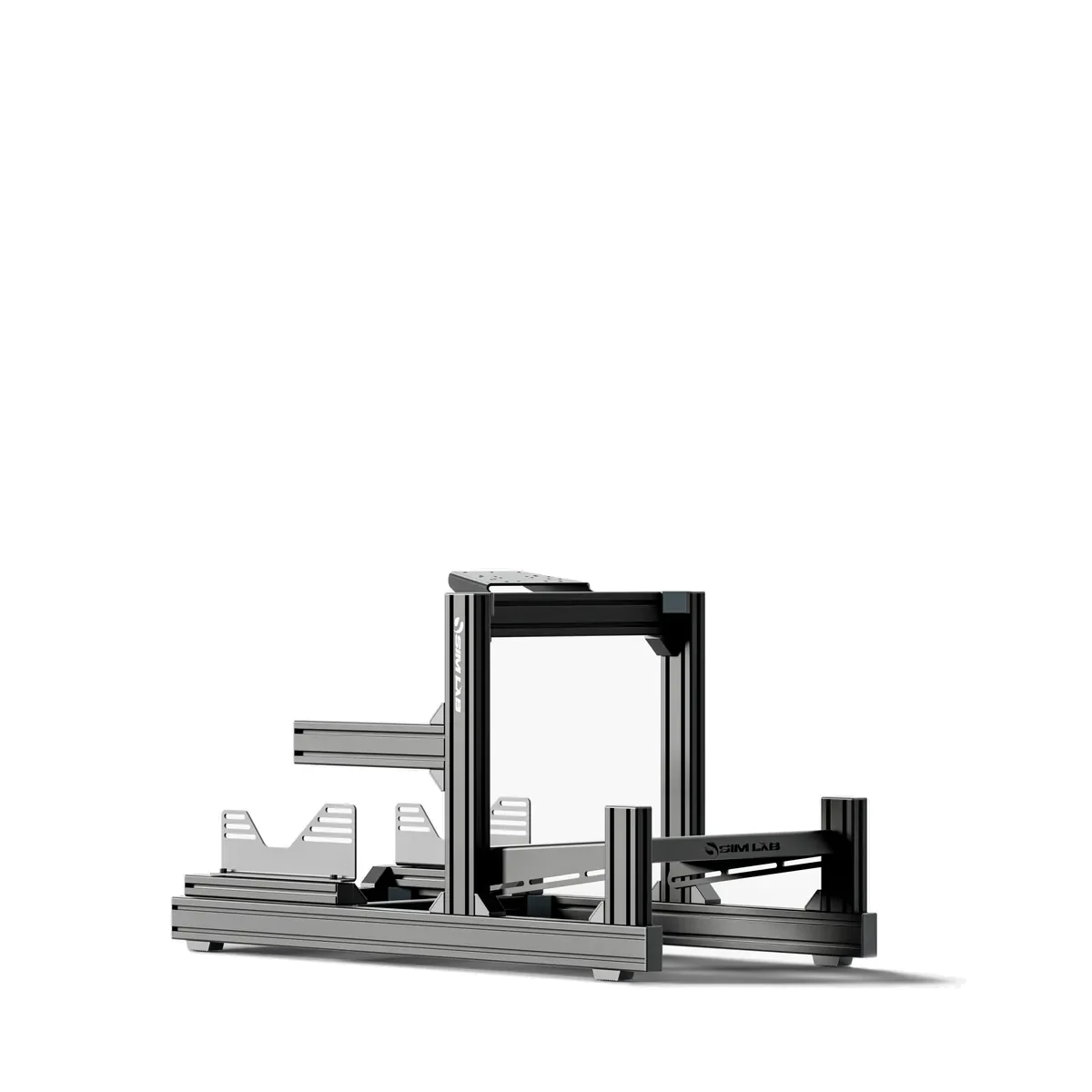 Sim-Lab GT1 Evo | Cockpit or stand | 8.07 | 9.6/10 |
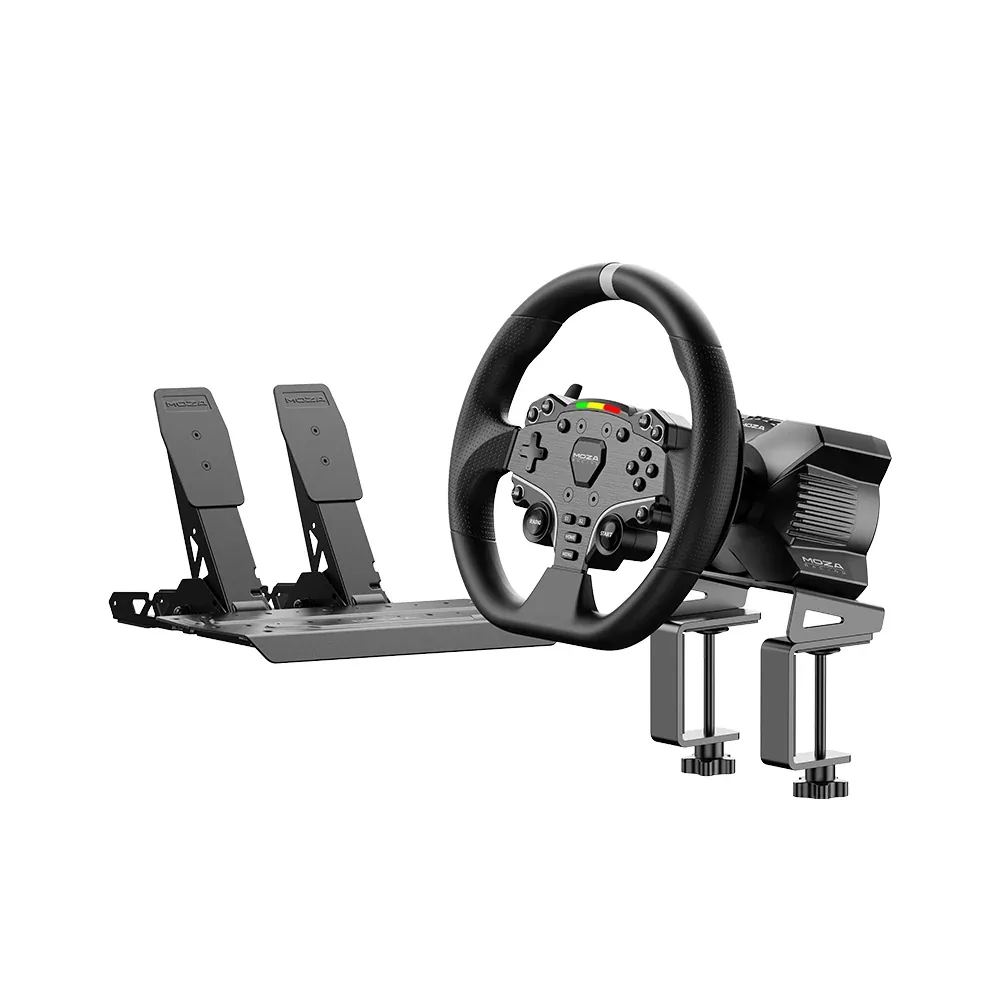 MOZA R3 bundle | Wheel or base | 7.98 | 9.5/10 |
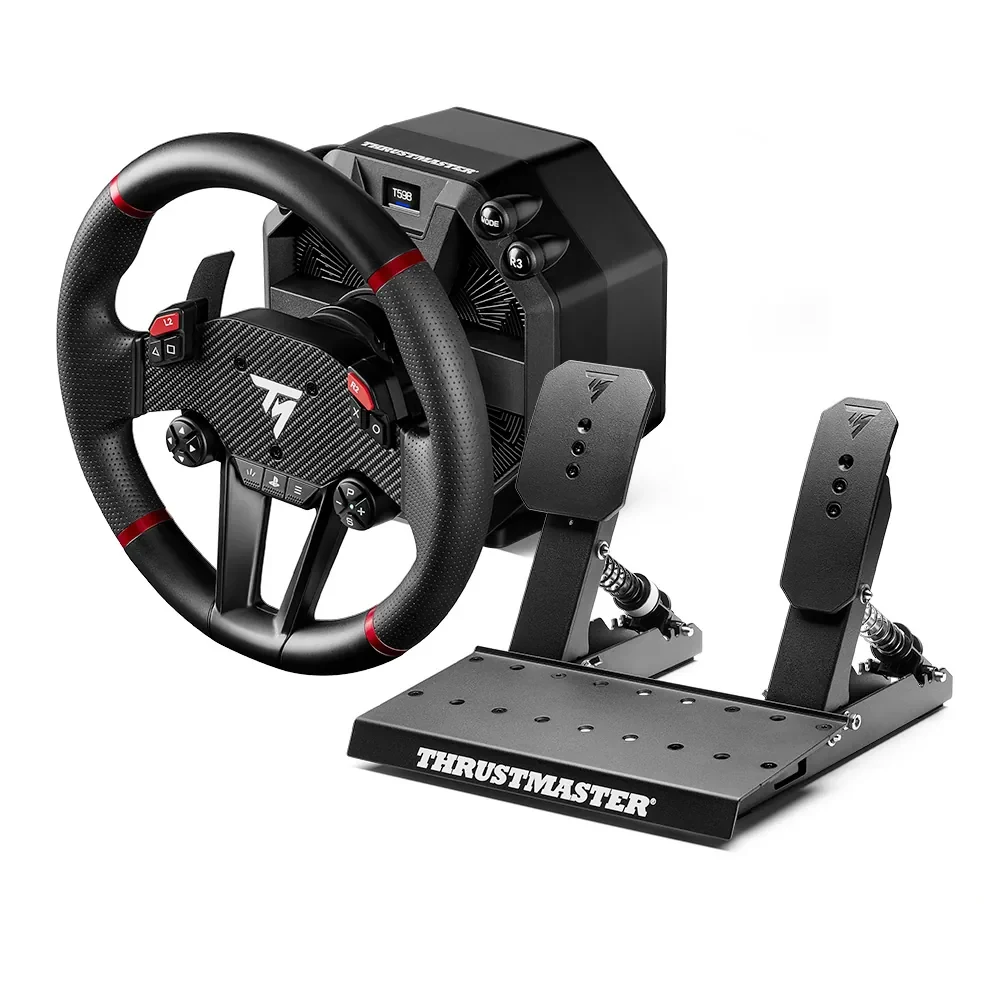 Thrustmaster T598 | Wheel or base | 7.82 | 9.2/10 |
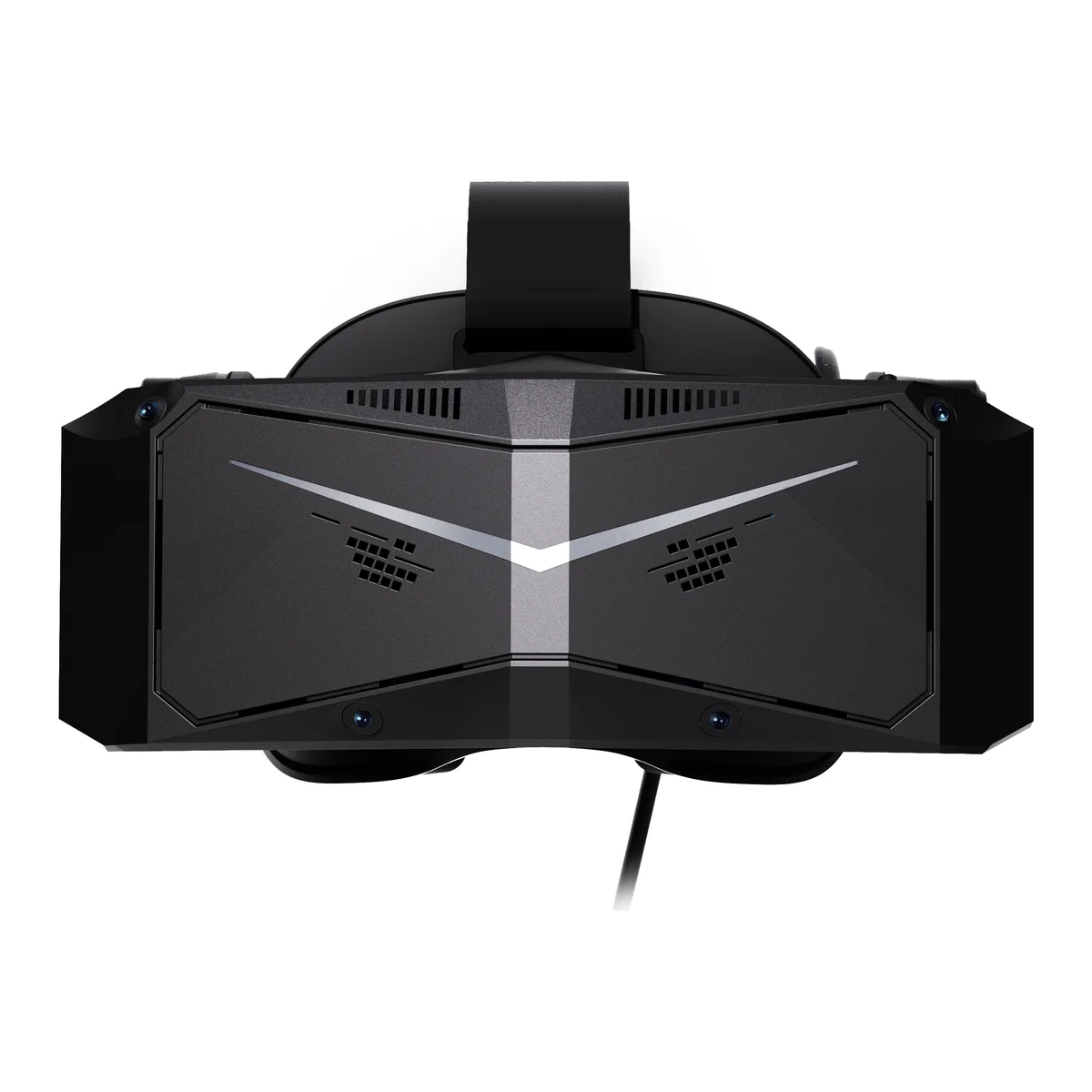 Pimax Crystal Light | VR headset | 7.73 | 9.1/10 |
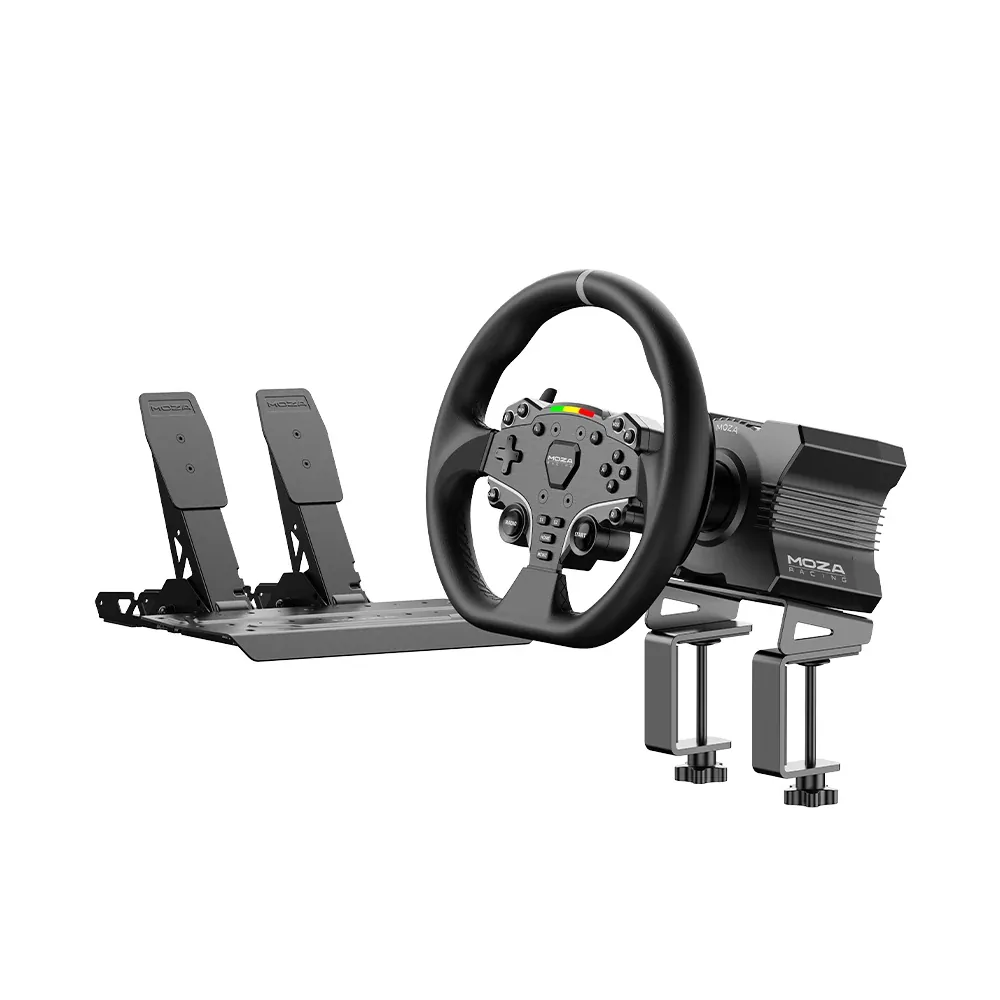 MOZA R5 bundle | Wheel or base | 7.72 | 9.0/10 |
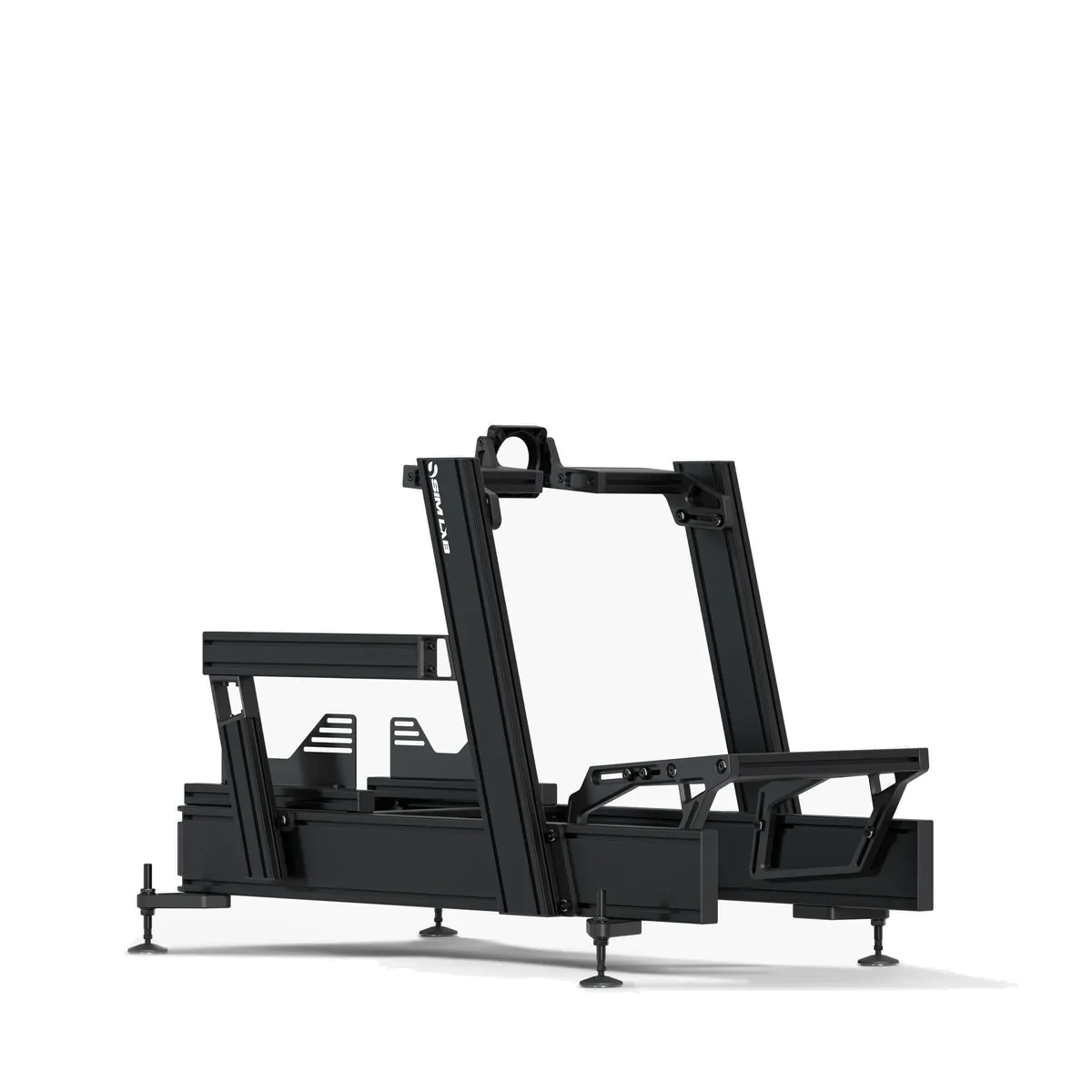 Sim-Lab P1X Pro | Cockpit or stand | 7.69 | 8.9/10 |
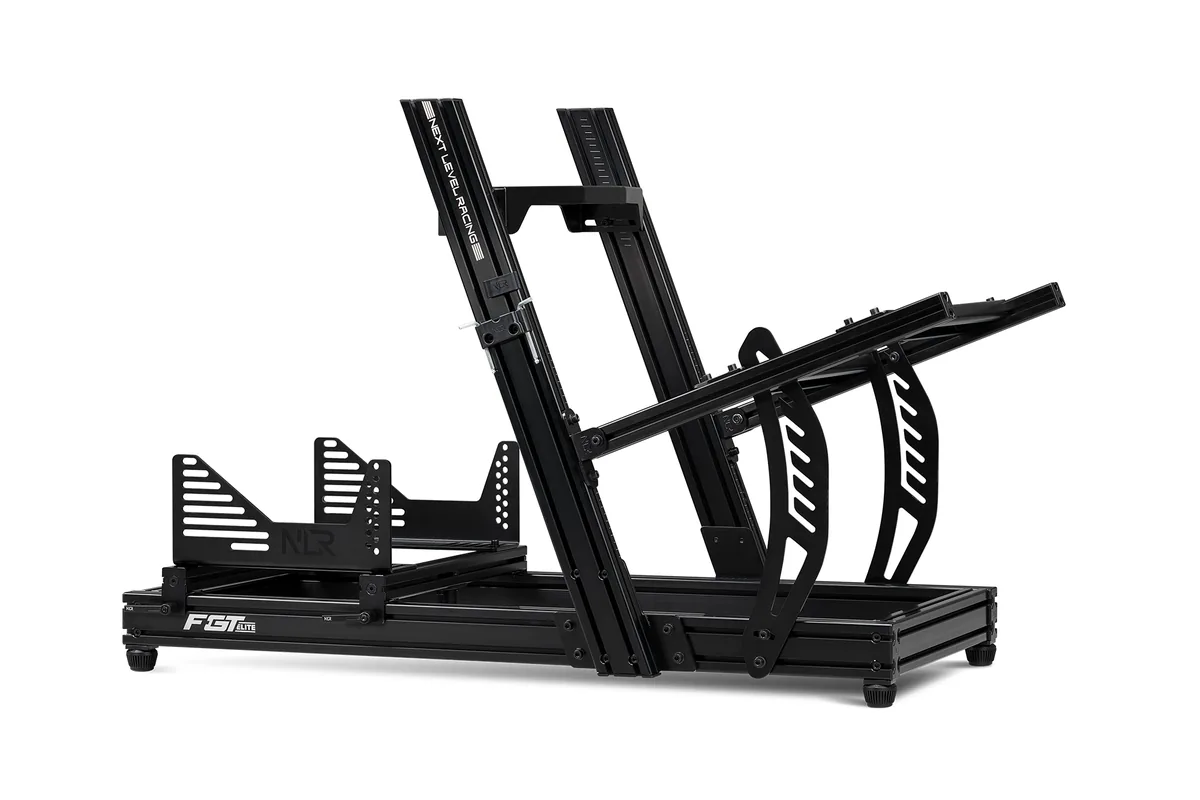 Next Level Racing F-GT Elite Lite | Cockpit or stand | 7.56 | 8.8/10 |
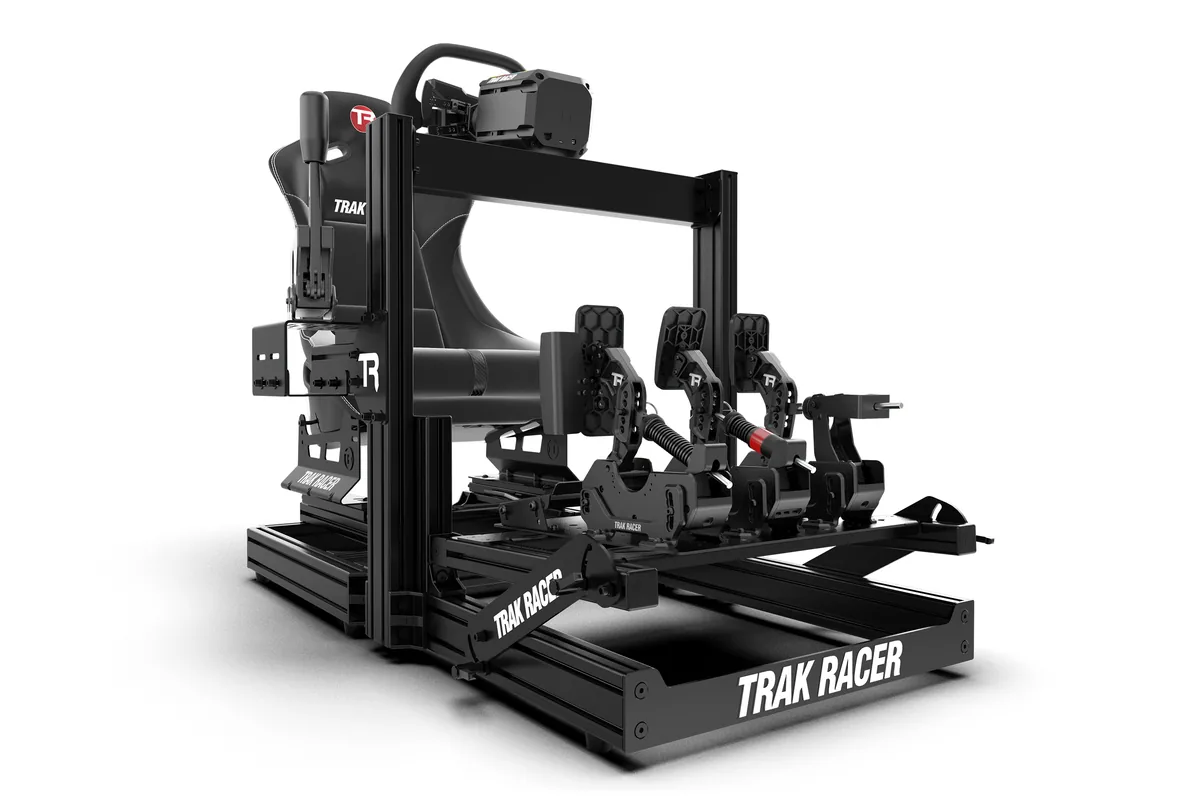 Trak Racer TR80S | Cockpit or stand | 7.52 | 8.7/10 |
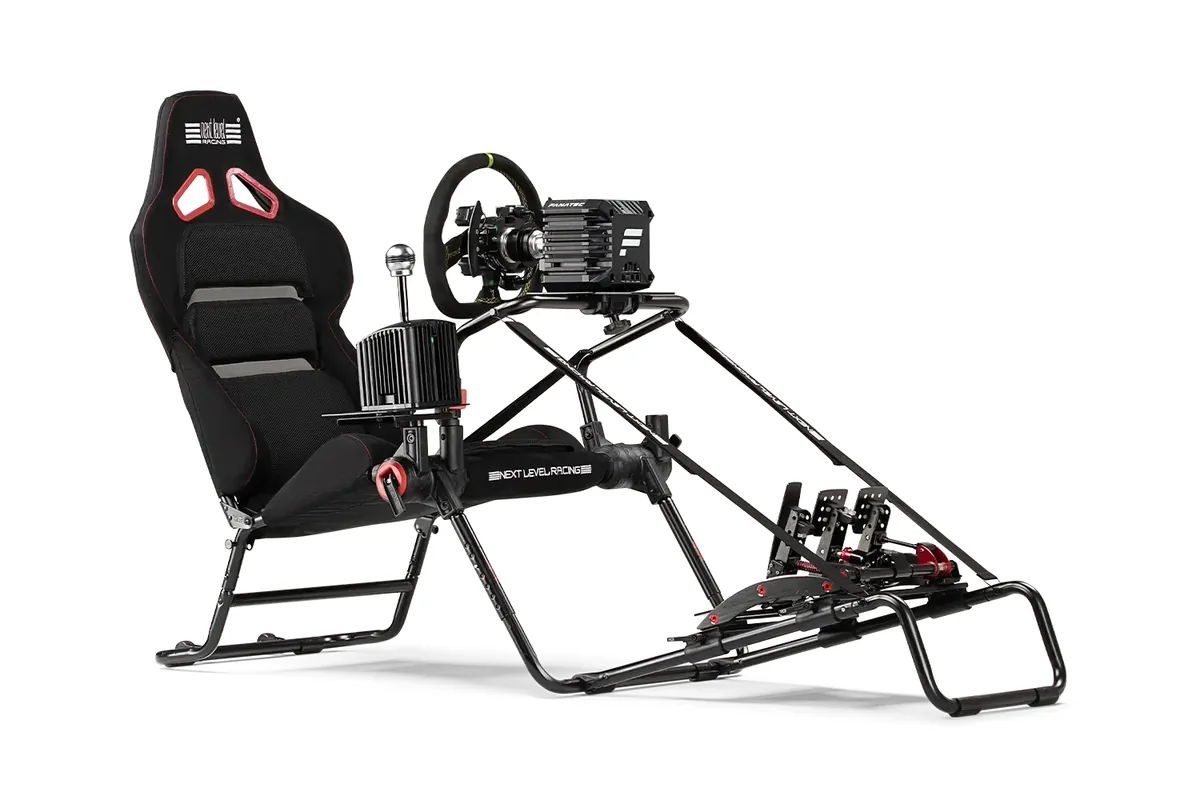 Next Level Racing GT Lite Pro | Cockpit or stand | 7.48 | 8.6/10 |
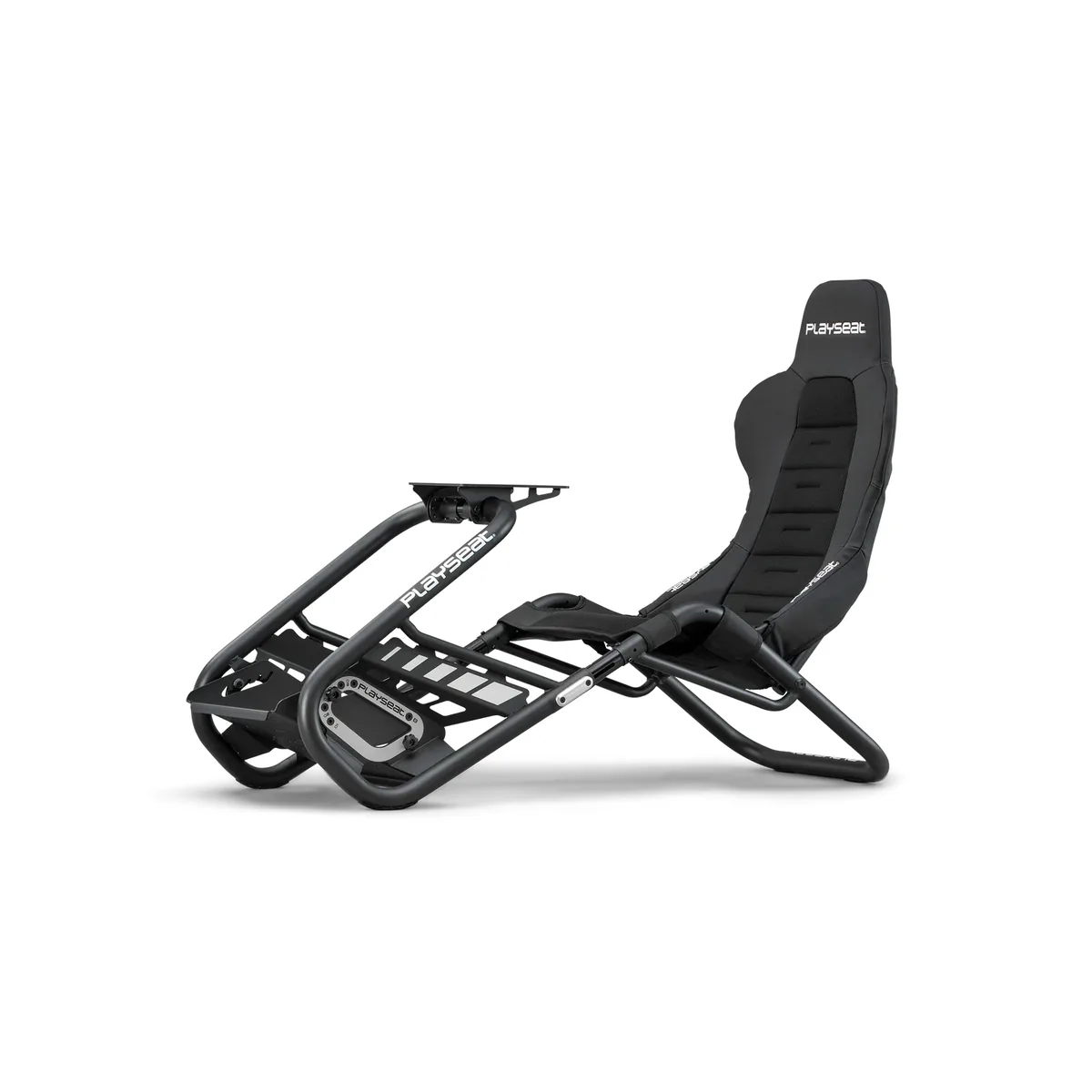 Playseat Trophy | Cockpit or stand | 7.40 | 8.5/10 |
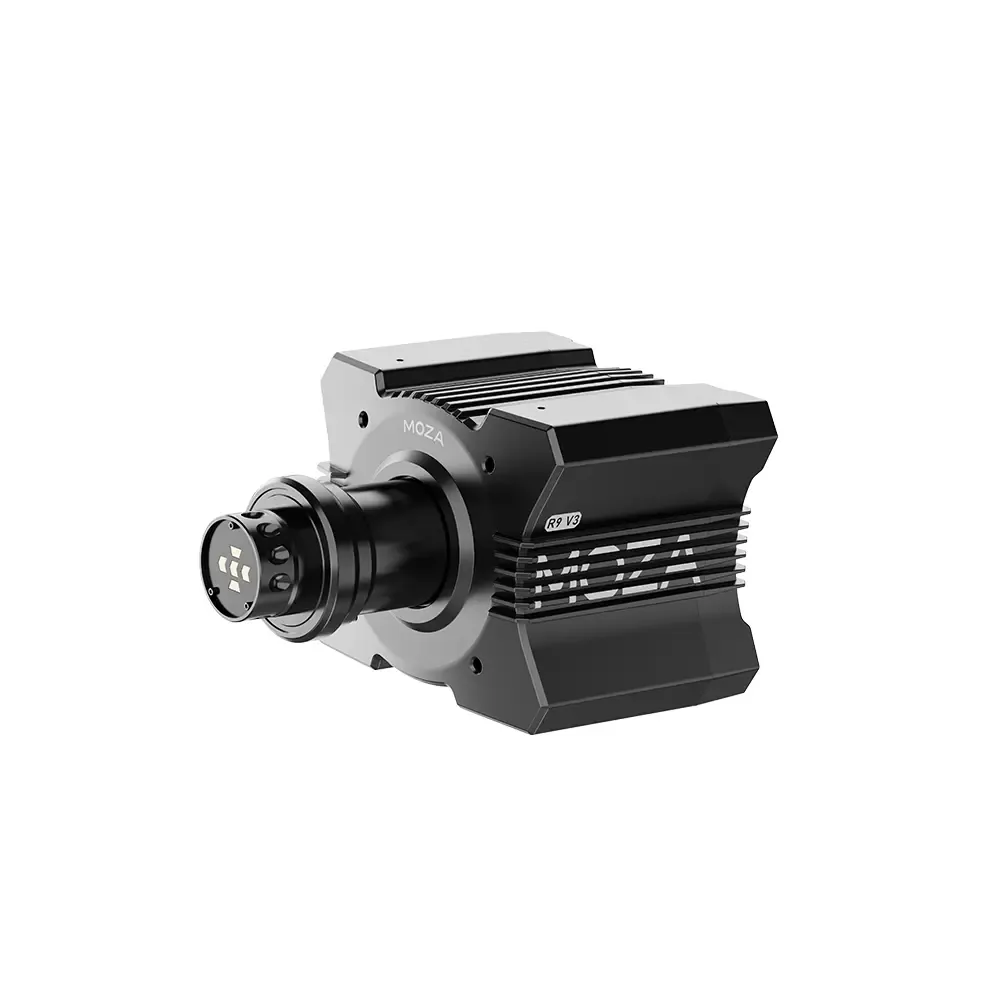 MOZA R9 V3 | Wheel or base | 7.36 | 8.4/10 |
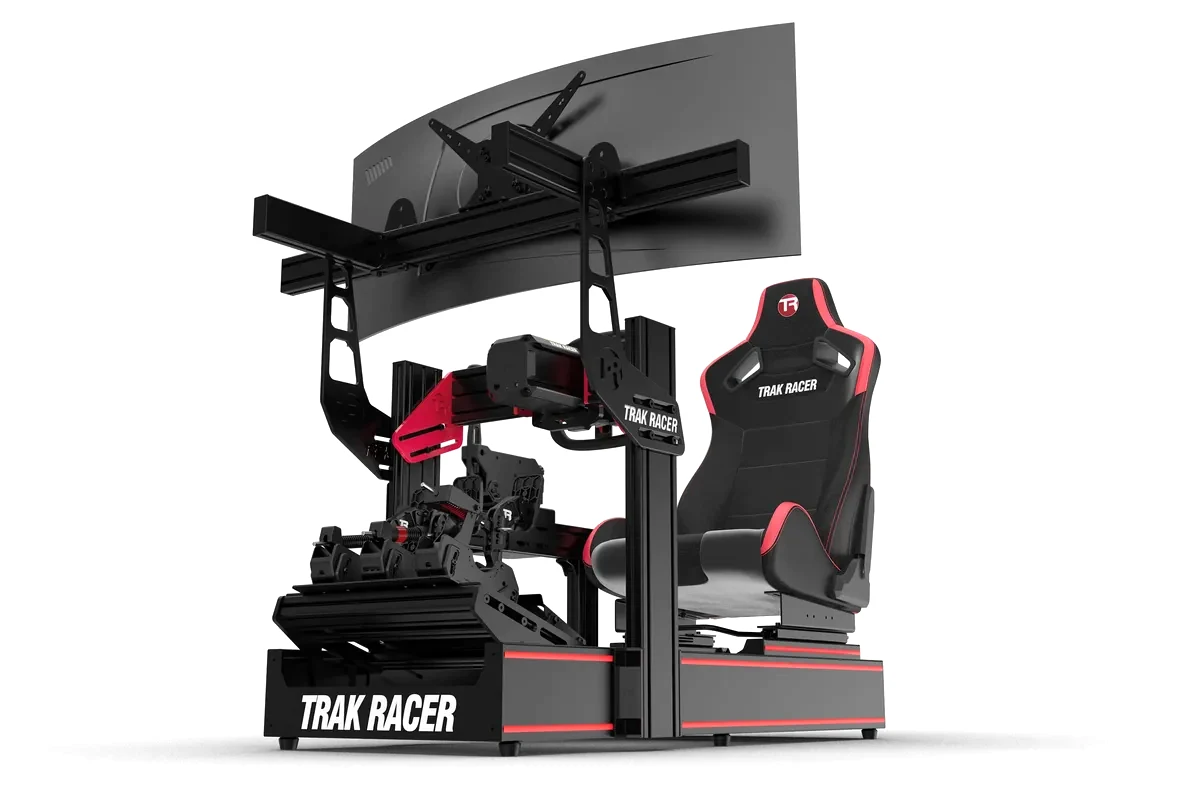 Trak Racer TR160 | Cockpit or stand | 7.36 | 8.3/10 |
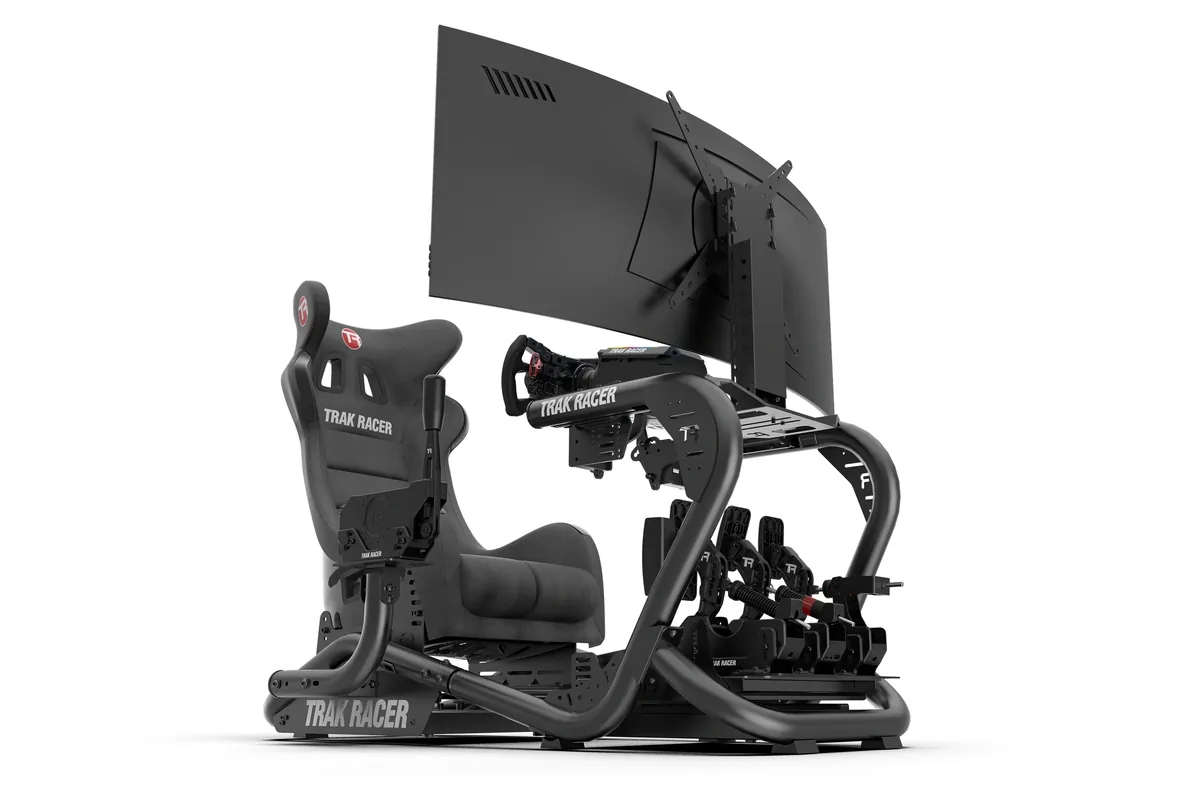 Trak Racer TR8 Pro | Cockpit or stand | 7.26 | 8.2/10 |
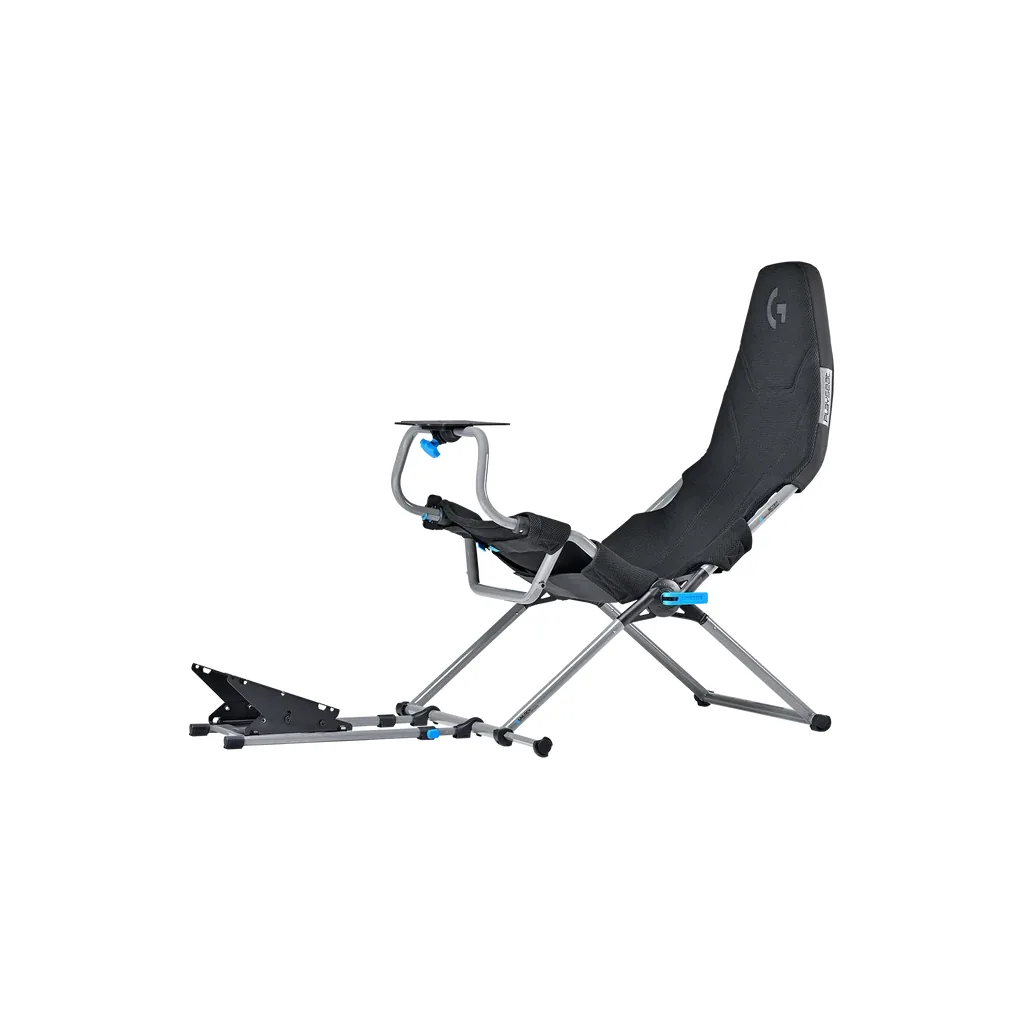 Playseat Challenge X | Cockpit or stand | 7.18 | 8.1/10 |
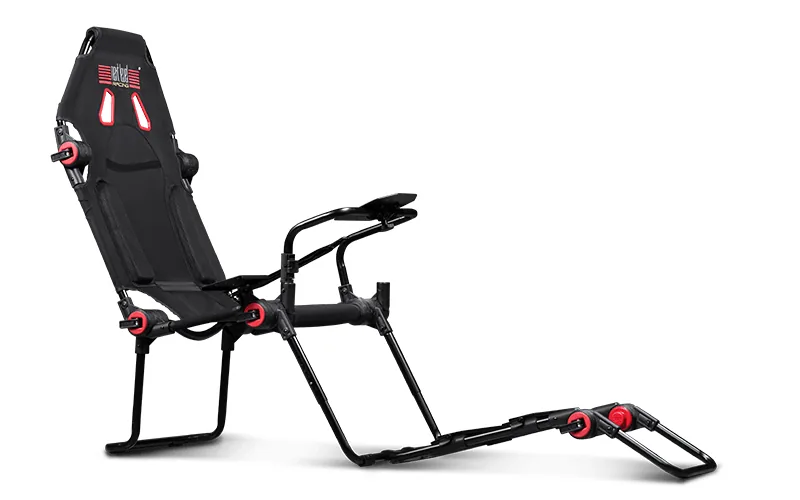 Next Level Racing F-GT Lite | Cockpit or stand | 7.13 | 8.0/10 |
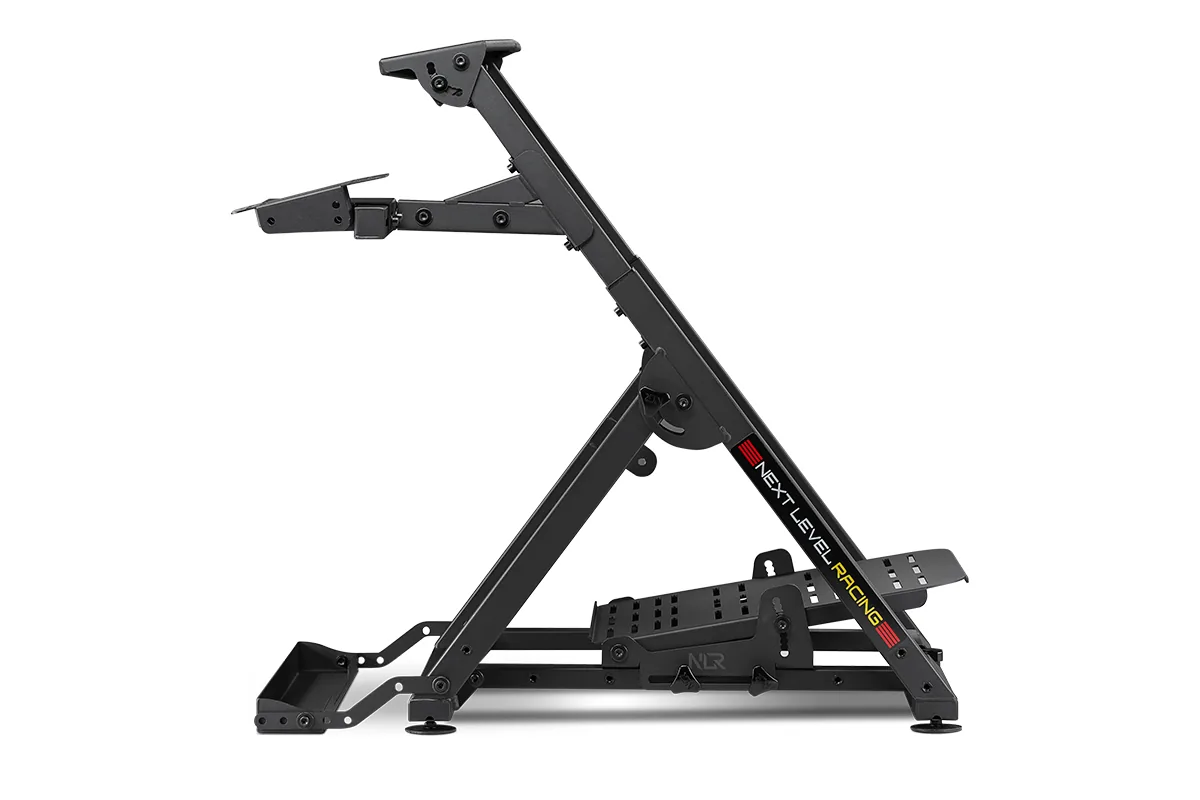 Next Level Racing Wheel Stand 2.0 | Cockpit or stand | 7.02 | 7.9/10 |
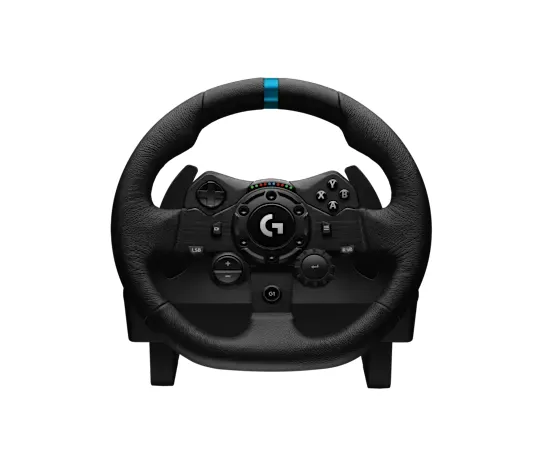 Logitech G G923 | Wheel or base | 6.64 | 7.5/10 |
Cockpits, wheels and headsets are scored on different criteria, so compare scores inside a family. A 9.5 wheel kit is not "better" than a 9.1 headset; each is high in its own table.
What does the score not tell you?
- How it feels. Flex under braking, seat comfort after two hours, fan noise: a formula on published specs cannot measure those. Where a careful published review covers them, we link it.
- Your room and your body. A 9.6 that does not fit your corner is the wrong rig. That is what the fit check is for.
- Tomorrow's price. Price is 15% to 20% of a score. A sale can move a product by a tenth or two at the next check.
How does the site earn money?
Through affiliate links: when you buy after clicking some of our links, the seller pays us a commission at no extra cost to you. The rules we follow are the FTC's Endorsement Guides (16 CFR Part 255) and its rule on reviews and testimonials (16 CFR Part 465): disclosure, no invented customer reviews, no claim of use we did not have. Details are on the affiliate disclosure page, and brands can read how we work with them on partnerships.
Questions about the method
Do brands pay for a score or a place?
No. The order is whatever the formula returns. Affiliate links earn a commission on some purchases and are flagged in the footer and on the affiliate disclosure page; a product with no program, like the Sim-Lab GT1 Evo at the time of writing, can be number one.
Why does every product have a different score?
Because one score should point to one product. When two products land on the same tenth, the one with the lower weighted average moves down a tenth, and so on down the list. The order never changes; only the tie is opened.
Why are all scores between 7.5 and 9.6?
We only list products we would consider buying, so the scale is stretched over that range to make the differences readable. The conversion is: 1.45 times the weighted average, minus 2.1, kept between 7.5 and 9.6.
What happens when a spec is not published?
The table says "Not stated", and the formula uses the neutral value shown above for that criterion. We do not estimate missing figures.
How often are prices rechecked?
Every price shows the date it was read. This edition was read on November 21, 2026; the footer always shows the latest check date.